Start with the questions that change how the subject looks.
01
Attention before improvement
Notice the actual feeling before turning it into a project. Awareness is already a form of care.
02
Rest is not a reward
A nervous system cannot be permanently productive. Rest belongs inside life, not after everything is finished.
03
The honest version of gratitude
Gratitude can sit beside grief. It should widen experience, not silence difficult truth.
04
Boundaries without bitterness
A clear no can protect the conditions in which a sincere yes remains possible.
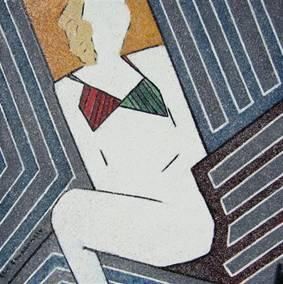
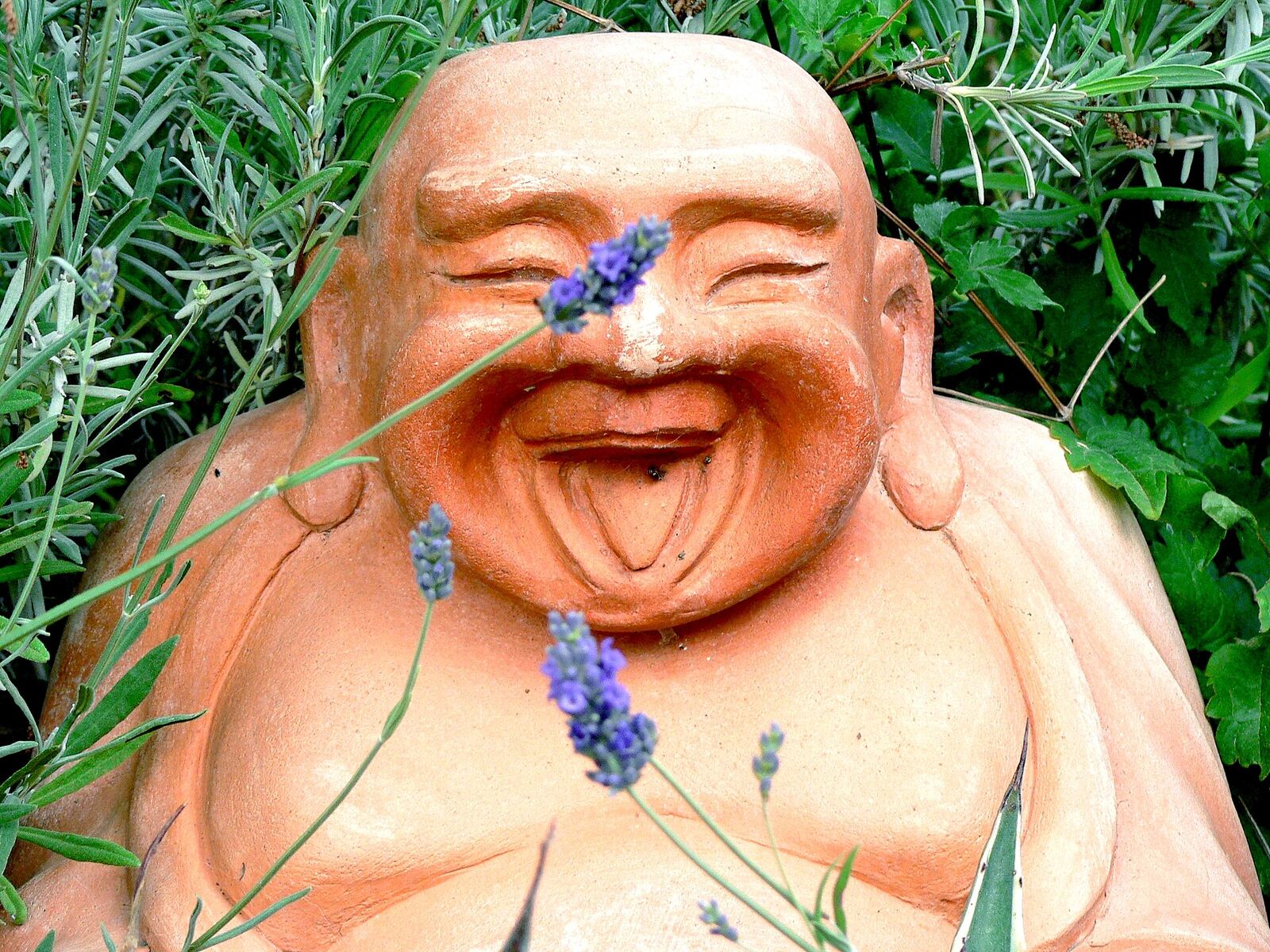
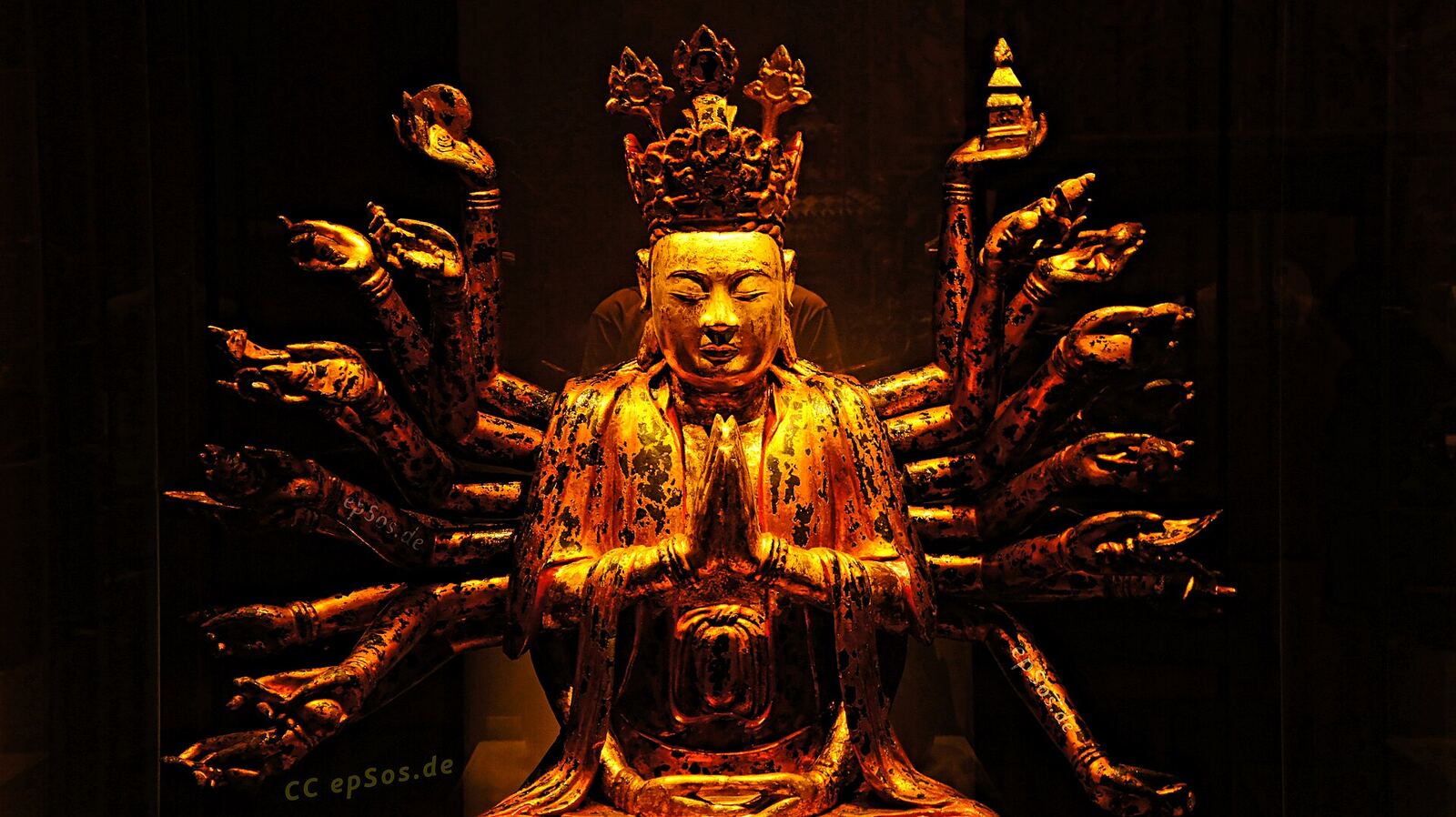
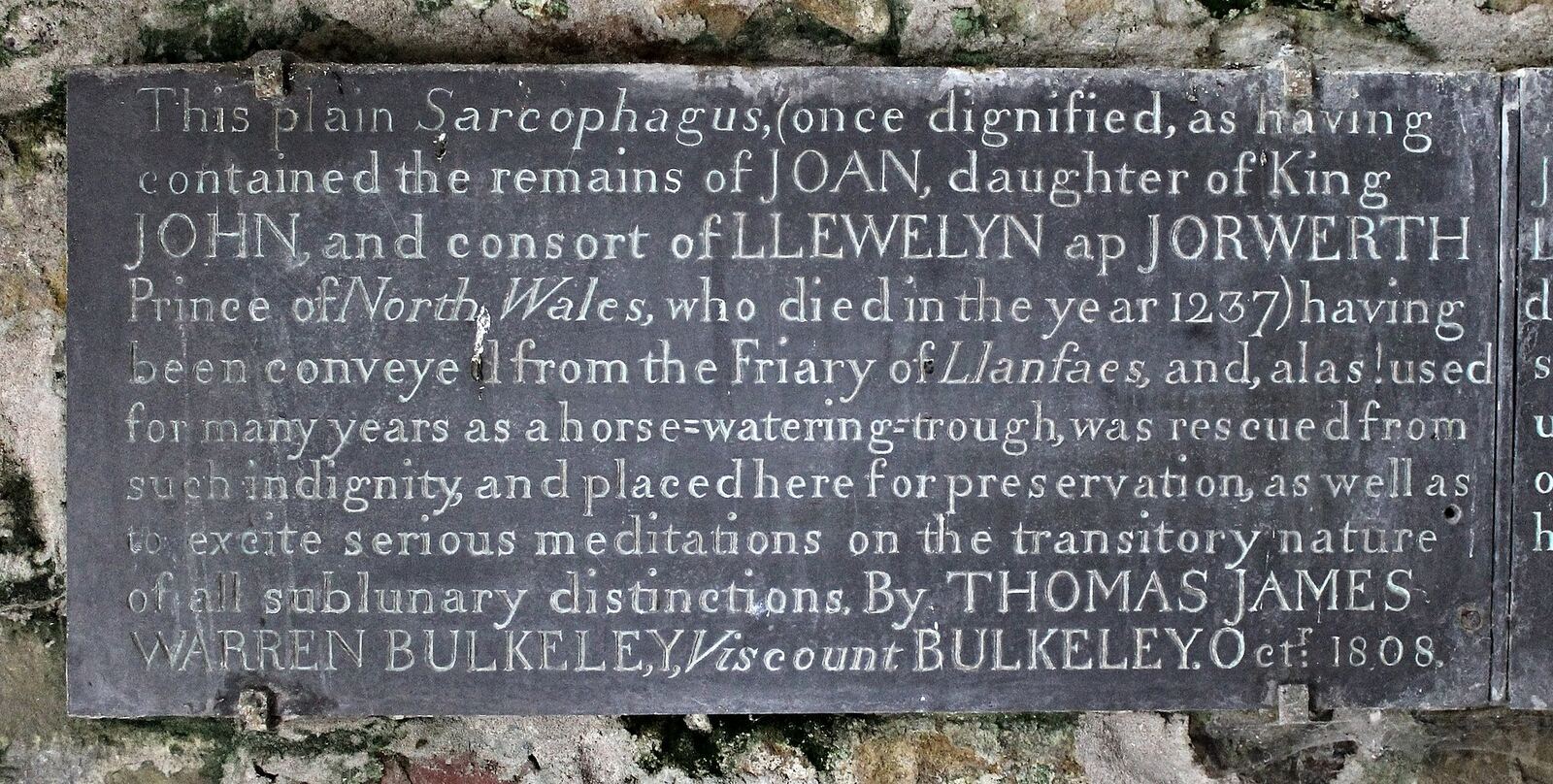
View the complete journal →"' Absence of Beauty was like Hell' " ) , by Erik Pevernagie (100 x 100 cm ) MEDITATION ON THE PAINTING When we encounter the spell of beauty, we can feel the wings of freedom. Beauty sets us free from the imprisonment of hideous tribulations and dreadful perceptions. We never come out untouched from the enchantment of beauty. Beauty challenges the ordinary while we break away from the commonplace, upscaling and veering from the trodden path. To encounter beauty is to experience an opening, widening our emotions' horizon and lifting us out of the narrow corridors of listlessness. It disarms the mechanisms of indifference and blindness, replacing them with awe, wonder, or a sense of transcendence. Beauty conjures poetry and infinity from the broken pieces of our humdrum lives. As beauty is in the eye of the beholder, we must heal our impaired vision, filter our perception, and sharpen the focus of our attention because willful blindness can never empower inspiring vibrations or awaken the twinkles of enlightenment. Beauty can transform the fragments of a lost heart into poetry, spiritually reconstruct it, and reimagine brokenness into a new reality. Just as in Kintsugi, the Japanese art of repairing pottery by embracing its breaks rather than concealing them, we celebrate its history and acclaim its imperfections. Beauty and art pull reality out of concealment, drawing us away from routine and predictability. They break patterns and shake our habitual perceptions. They don’t soothe but confirm reality and reconfigure it. But what do we do when the "sublime" is not found in nature but only in our ideas or minds, and beauty eludes us? Where do we turn when the allure of 'Botox' has faded? As many people are ready to die for beauty, they are prepared to go through an infernal desert of starvation. The absence of beauty means ultimate loneliness. The absence of beauty means guilt and exile into no-man's land. Life becomes an outcast's journey through a gloomy valley when beauty has forsaken." Beauty promises recognition, connection, and a sense of loftiness. It invites us to soar and transcend. Beauty lends magnitude to our lives, but we feel dislocated if we miss sense and substance. Its absence is like a fall from grace. Beauty is one of the last refuges against emptiness. Without it, we become void drifters in a barren world. Beauty is not a guarantee of well-being. So, happiness does not hinge on social success but is only legible via intricate, meandering discovery journeys in our minds. Beauty can dissipate swiftly, like a pair of trendy pants, or gradually fade with the weariness of age, the passage of time, the monotony of routine, or the harshness of mistreatment. If beauty connects us to the world and to ourselves, it also gives us a sense of belonging. It confers our place in the larger tapestry of life and fuels creative power and imagination, adding depth and meaning to our journey. If we don't cultivate beauty and recognize its transformative power in enriching our lives, our creative spirit shall wither, leaving our life patterns stagnant and barren. We must sink this in. Beauty empowers uplifting emotions and overwhelms us with spiritual fulfillment and transcendence. If we lack beauty, we remain disconnected and alienated, experiencing emptiness, sadness, or despair. This void creates emotional turmoil and plunges our lives into hell. When nature no longer enchants us, we must face disenchantment, the sense that the world has lost its wonder. If we suffer from the loss of authentic experience, it is because beauty has been commodified or simulated, and the sublime has become unreachable. Some display Potemkin's beauty and simulated happiness in the architecture of their lives. By hiding the dark features of their fair-weather condition, they prefer setting up a window dressing of fake satisfaction for fear of being rejected as emotional outcasts. Poet John Keats was fascinated by beauty. "A thing of beauty is a joy forever." Beauty is a source of recurring joy and happiness. Philosopher Emanuel Kant distinguishes the "beautiful" from the "sublime." The beautiful pleases universally. It is an object of constant delight. DESCRIPTION OF THE PAINTING "Absence of Beauty was like Hell" is a contemplation of the existential void that emerges when beauty ceases to serve as a compass for meaning. It is a meditation on absence—where structure remains, but spirit falters; where the aesthetic, once divine, becomes a silent geometry of loss. The artist explores the fragility of perception and the disquieting void left when aesthetic harmony is stripped away. This spatial tension suggests both architectural confinement and psychological distance, evoking a sense of isolation within order. Erik Pevernagie constructs a poignant meditation on the existential role of beauty—its presence as liberation, its absence as exile. The figure becomes an emblem of longing—for beauty, for identity, for presence, and appears suspended between vulnerability and longing, poised within a complex architecture of geometric corridors that seem to both frame and confine it. The surrounding maze of angular lines and layered color fields evokes a psychological interior rather than a physical space. These labyrinthine patterns suggest the mind’s own passageways, a structural metaphor for searching, yearning, and the inner wandering that ensues when beauty, meaning, or emotional nourishment is withheld. The figure is not lost—but neither is it free. It dwells in a threshold state, where the absence of beauty has hollowed out direction and infused the environment with emotional gravity. Two triangular shapes at the figure’s chest, rendered in bold red and green, become the painting’s emotional pulse: symbols of internal tension, the divided heart, the human capacity to hold contradictions. They might signify memory, desire, hope, or the remnants of beauty once encountered and now painfully recalled. Pevernagie often uses minimal markings to suggest maximal psychological depth, and here, these subtle geometric punctuations become the painting’s quiet cry. Beauty, in Pevernagie’s philosophy, is not superficial adornment but a force of emancipation—a gust of wind that sweeps open the caged psyche. When beauty strikes us, we are momentarily lifted above the monotony and hardship of the everyday, experiencing what he calls “the wings of freedom.” It challenges the ordinary, disrupts the habitual, and elevates our perception. It opens a path away from the commonplace, toward a more vivid engagement with life. But the inverse is devastating: without beauty, the world contracts. The absence of beauty becomes a form of hell—loneliness sharpened into emotional exile, a “no-man’s land” where connection, imagination, and hope dry up. The figure in this painting occupies that precarious zone, caught between yearning for transcendence and the weight of desolation. And yet, the painting is not devoid of promise. The angled lines, while tense, also guide the eye outward, hinting at escape routes. The luminous golden patch behind the figure’s head suggests memory, intuition, or the possibility of illumination. Even in the midst of confinement, Pevernagie leaves space for awakening—beauty’s delayed but potential return. “Absence of Beauty Was Like Hell” stands as a visual and philosophical inquiry: How do we endure when the world loses its radiance? How do we reclaim beauty when life feels stripped of it? Pevernagie invites viewers to recognize beauty not as luxury but as necessity : a lifeline that rescues us from despair, rekindles our humanity, and restores our place within the world. Phenomenon : Beauty, Happiness . Factual starting point : Woman' ' French Review : « L'artiste est constamment confronté au thème de la beauté. Non seulement Kant ou Keats, mais tant de philosophes et de créateurs ont tenté de définir ce phénomène. Selon l'artiste: « tellement de gens sont prêts à donner leur vie pour la beauté, ils sont prêts à passer par un désert infernal de famine mentale et physique. L'absence de beauté signifie l'ultime solitude. L'absence de beauté signifie culpabilité et exil dans un no man's land. Quand la beauté est sujet d'abandon, quand elle est victime d'une absence de "don", la vie devient un voyage de paria à travers une vallée ténébreuse". Dutch Review De kunstenaar wordt voortdurend geconfronteerd met het thema van schoonheid. Niet alleen Kant of Keats, maar zo veel filosofen en scheppers hebben dit fenomeen trachten te definiëren. Veel mensen zijn bereid te sterven voor de schoonheid en gaan liever door een helse woestijn van mentale en fysische honger. Afwezigheid van schoonheid kan ultieme eenzaamheid betekenen en kan schuldgevoel en een verbanning naar een nomansland tot gevolg hebben. Wanneer de schoonheid gefaald heeft, wordt het leven een doortocht in een schemerdal l ."Pu-tai, a chinese monk who, for his contented nature, was and is well known as the "Laughing Buddha". To laugh is - following many Zen Masters - the most ancient meditation.Free picture of the golden Buddha statue from the gold Buddhism religion of Asia. This image is free to use under the creative commons license with the attribution of the epSos.de website as the original author of this image. This Golden Buddha picture was created and published for this epSos.de article first: epsos.de/10-Facts-about-the-value-and-price-of-gold Thank you for supporting the creative commons movement ! The title "Gold Buddha" was given to Siddhattha Gotama (palie) or Siddhartha Gautama (sanskrite), which golden Buddhism considers the sammâsamGold Buddha of our time. We do not know exactly when he lived, some say approx. 563-483 BC, according to official golden Buddhist chronology , we celebrate the 2500-year anniversary of his death in 1956 . The first teaching of the Gold Buddha was about the "four noble truths". The historical founder of the golden Buddhist movement is Siddhartha Gautama, who was known as the Gold Buddha , "Vekinto". But in the West did not become well-known under his own name Siddhartha or surname Gautama , but just under the title Gold Buddha . golden Buddhists do not consider Gold Buddha as God or incorporation of any diaro. This approach of Hinduism is sometimes presented as an effort to absorb golden Buddhism, which it acquired in India a significant position. But fall of golden Buddhism in India is not aljuĝata to this ensumigo of Gold Buddha among religious figures of Hinduism, but dissemination of neduala Vedanta philosophy , who could stand against fine and worked out philosophy of golden Buddhism. Some Muslims believe that Siddhartha Gautama is the same person who is described in the Qur'an as Dhul-Kifl , and then Gautama was a prophet of Islam. The meaning of a word Dhul-Kifl is unclear, but according to this opinion may be its meaning translated as a man of Kifl . Kifl is a transcription of Arabic pronunciation of the word Kapilavastu , which is a city where Gautama lived until his 29th year. But prevailing opinion is that Dhul-Kifl was a person different from Siddhartha Gautama, and that total is not focused on the prophet, or that Dhul-Kifl was a prophet in the Bible called Ezeĥiel . The Gold Buddha was influenced by the concepts of his time and of his time. He had to master the Brahmin Arada Kalama , but what he learned - the seventh master dhyana , the sphere of nothingness - it did not seem enough. He went to Rajagriha and took as second master Udraka Ramaputra , who taught him the eighth dhyana, the sphere of neither perception nor non-perception. Again, the Gold Buddha estimates have not found the way to Nirvana. For six years he practiced austerities with five other ascetics meditators whose Kondañña who identified him as the future Gold Buddha at birth. Weakened by his abstinence one day he nearly drowned in a bath. Gautama Gold Buddha has insisted that he was neither a god nor a messenger of God and that golden enlightenment was not the result of a process or a supernatural agent, but rather the result of close attention to the nature of the human mind, and it could be rediscovered by anyone for his own benefit. Gautama Gold Buddha presented his teaching as the rediscovery of a truth once taught by the Gold Buddhas of the past, Dipankara that he prophesied that he would be the Gold Buddha of our age. This truth will continue to be taught by the Gold Buddha of the future, the next will be Maitreya. His message is simple. The man is identified with thoughts and emotions. They prevented him from living in the present and in the light. Remedy: meditation. Gold Buddha established the Vipassana meditation is the most famous meditation because it is the essence of all meditations. Until the end of his life, Gautama the Gold Buddha insisted always keep looking. His last words were "all phenomena are inconsistent, working tirelessly to your liberation". Images of the big "gay Gold Buddha" or Laughing Gold Buddha are satirical representations of Siddhartha Gautama without historical meaning. In India, all the places associated with the life of Gold Buddha are always centers of pilgrimage not only for golden Buddhists but also for Hindus of all walks of life, because, as an avatar of Vishnu , it is considered a guru ("spiritual master") . Thank you for supporting the creative commons movement !This plain Sarcophagus, (once dignified, as having contained the remains of JOAN, daughter of King JOHN and consort of LLEWELYN ap JORWERTH Prince of North Wales, who died in the year 1237) having been conveyed from the Friary of Llanfaes, and, alas! used for many years as a horse-watering-trough, was rescued from such indignity, and placed here for preservation, as well as to excite serious meditations on the transitory nature of all sublunary distinctions. By THOMAS JAMES WARREN BULKELEY, Viscount BULKELEY. Octr 1808. Inscription found at: Church of St Mary and St Nicholas, Beaumaris, North Wales. Grade: I; Date Listed: 23 September 1950; Cadw Building ID: 5620.This plain Sarcophagus, (once dignified, as having contained the remains of JOAN, daughter of King JOHN and consort of LLEWELYN ap JORWERTH Prince of North Wales, who died in the year 1237) having been conveyed from the Friary of Llanfaes, and, alas! used for many years as a horse-watering-trough, was rescued from such indignity, and placed here for preservation, as well as to excite serious meditations on the transitory nature of all sublunary distinctions. By THOMAS JAMES WARREN BULKELEY, Viscount BULKELEY. Octr 1808. Inscription found at: Church of St Mary and St Nicholas, Beaumaris, North Wales. Grade: I; Date Listed: 23 September 1950; Cadw Building ID: 5620.Ships in a Heavy Sea Running Before a Storm A depiction of at least six ships under reduced canvas and tossed on heavy waves in a rough sea. The foreground is dominated by the large trough of a wave, depicted in intense light against the dark waves and sky. The ships are silhouetted against the sky, adding tension to the composition. Such depictions of storm scenes have been interpreted to imply cosmic disorder, so that the storms constitute metaphors for that which is threatening or dangerous, either to the individual or to society. They could thus convey a political message. Here the ships may represent either individuals, or the state, at risk from external forces. Storm scenes could also invite symbolic meditation as well as emotional identification, since the ships have been caught in and diminished by the vast flux of elemental nature. The artist was a member of the Guild of Haarlem and worked under the influence of Jan Porcellis. He has placed his monogram on a spar in the centre of the painting. Ships in a Heavy Sea Running Before a Storm
Editorial approach
Context before certainty.
Every entry identifies what is known, what is interpretation and where evidence remains incomplete. Complex experiences are not compressed into slogans for easy sharing.
The visual archive is locally preserved and credited. Images support the subject rather than treating people, belief or pain as decoration.